

Easy CIBIL Check

Know Your Credit Score

Track Your CIBIL Score

Check Score Instantly

Smart Credit Insights
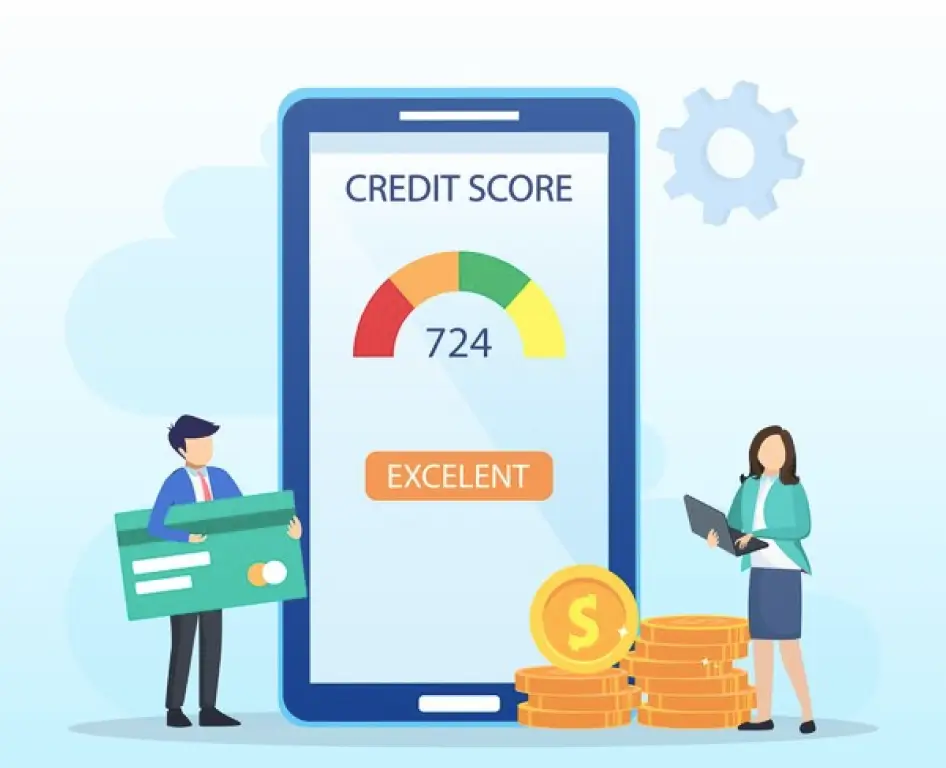
What is the CIBIL Score?
A CIBIL score represents your creditworthiness, calculated from your credit history and financial behavior. Ranging from 300 to 900, a higher CIBIL score signals better credit health. Financial institutions use this score to assess lending risk. A good CIBIL score can unlock favorable interest rates and loan terms, while a lower score may result in higher interest or loan rejections.
Importance of Checking Your CIBIL Score Online
Regularly checking your CIBIL score allows you to monitor your financial standing, catch any inaccuracies, and take steps to improve your score if needed. With convenient CIBIL score check online options, staying informed is simpler than ever you can get your CIBIL score online with just a few clicks.
Benefits of a High CIBIL Score
Why Regular Online CIBIL Score Checks Are Essential
Easy Loan Approvals
Higher chances of loan approvals from banks and financial institutions.
Better Interest Rates
Access to loans at more competitive interest rates.
Higher Credit Limits
Eligibility for higher credit limits on credit cards.
Faster Loan Processing
Quicker processing of your loan applications.
Tips to Improve Your CIBIL Score: Expert Advice and Free Online CIBIL Score Check by PAN Card
To boost your CIBIL Score, Consider the following strategies:
Pay On Time
Pay all bills before the due date. Consistent on-time payments build a strong credit history and help improve your CIBIL Score over time.
Manage Credit Utilisation
Keep your credit usage below 30% of the available limit. Lower utilisation reflects responsible credit management and supports a healthier score.
. Diversify Credit
Maintain a balanced mix of credit accounts, such as credit cards and loans. A diverse credit profile can positively impact your score.
Use Secured Credit Cards
Secured credit cards are useful for building or rebuilding credit. Regular payments help establish a positive repayment history.
Keep Old Accounts
Older credit accounts strengthen your credit history. Keeping long-standing accounts open can contribute to a better CIBIL Score.
Monitor CIBIL Score
Track your CIBIL Score regularly to understand your financial progress and identify changes that may affect your credit health.
Check Credit Reports
Review your credit report frequently for inaccuracies or suspicious activity. Correcting errors can help maintain an accurate score.
Seek Professional Help
Consider professional credit counselling if you need guidance. Experts can help create strategies to improve your credit profile.
Apply for Credit Sparingly
Apply for new credit only when necessary. Multiple applications in a short period can lower your score and affect approvals.
FAQs
Solar Loan FAQs
What is a CIBIL score?
A CIBIL score is a three-digit number that represents your creditworthiness based on your borrowing and repayment history. It typically ranges from 300 to 900 and is one of the most important credit scores for loans. Lenders check your CIBIL score before approving any loan or credit card to assess whether you are a low-risk borrower. A higher CIBIL score increases your chances of getting loans at better interest rates.
What is the maximum cibil score?
The maximum CIBIL score is 900, which represents the highest level of creditworthiness. Achieving this score is rare and requires consistent financial discipline, such as timely repayment of EMIs and credit card bills, maintaining a low credit utilization ratio (ideally below 10%), avoiding frequent credit inquiries, and building a long and diverse credit history. A score of 750 and above is generally considered the best credit score for loans, as it increases your chances of loan approval with favorable interest rates and terms. Regularly reviewing your credit report for errors is also crucial to maintaining a strong credit score.
How is my CIBIL score calculated?
If you’re wondering how CIBIL score is calculated, it is based on several important credit score factors. These include your repayment history (whether you pay EMIs and credit card bills on time), credit utilization ratio (how much of your available credit you use), length of credit history, types of credit (secured and unsecured), and the number of recent loan or credit card inquiries. Among these, repayment history and credit utilization carry the most weight. By managing these credit score factors responsibly, you can maintain a strong CIBIL score and improve your chances of getting loans and credit cards approved easily.